Agricultural Heritage Cultivates a Sustainable Future
China Report ASEAN, October 10, 2025 Adjust font size:
The Globally Important Agricultural Heritage Systems (GIAHS) embody a remarkable diversity of plants, crop varieties, livestock breeds, fisheries, and forests, shaped and sustained through centuries of interaction between people and nature. This rich reservoir of genetic resources underpins local food security and enhances agriculture’s capacity to adapt to pests, diseases, and climate variability.
For generations, local communities have developed ingenious practices to conserve soil, sustainably manage water, rotate crops, and integrate trees, agriculture, and livestock within balanced agroecosystems. These practices demonstrate that the traditional knowledge, values, and approaches used by the custodians of agricultural heritage systems are indispensable for biodiversity conservation, food and livelihoods security, and resilience to climate change. Beyond biodiversity, GIAHS also fosters adaptive capacity by linking traditional knowhow with innovative techniques.
In this context, the designation of the 102nd GIAHS system in the same year as the 80th anniversary of the Food and Agriculture Organization of the United Nations (FAO) is especially significant. FAO was founded to support countries in overcoming hunger and food insecurity, and over the decades, its mandate has expanded to address increasingly complex challenges including climate change, biodiversity loss, and emerging global crises. Surpassing the 100-GIAHS milestone this year is therefore a highly rewarding achievement—one that reflects FAO’s enduring commitment to conserving agricultural heritage as a means of protecting biodiversity, safeguarding traditional knowledge, ensuring food security, and fostering a sustainable future.
Lessons from China’s Leadership
China’s leadership, with 25 designated GIAHS systems, offers valuable lessons for other countries. At the institutional level, China was the first to establish a national framework for agricultural heritage through its Nationally Important Agricultural Heritage Systems (NIAHS) initiative. This pioneering approach has facilitated systematic integration of agricultural heritage into broader rural development and ecological policies.
China has also demonstrated how scientific research can strengthen conservation. By documenting and monitoring traditional practices and linking them with modern technologies, universities and research institutes work closely with local communities to ensure that agricultural heritage systems are managed with both scientific rigor and practical wisdom.
At the practical level, China has advanced the concept of dynamic conservation, which emphasizes that agricultural heritage is not about freezing systems in time, but ensuring that they evolve to constantly adapt and continue to benefit communities. Many Chinese GIAHS systems have successfully connected conservation with rural development by promoting value-added products, eco-tourism, and education. These initiatives provide strong incentives for farmers to preserve traditional practices while enhancing their livelihoods and revitalizing rural areas.
China’s approach is also closely aligned with its broader ecological strategies for sustainable development. Agricultural heritage systems have been recognized not only as productive landscapes but also as vital ecosystems that sustain soil fertility, regulate water, conserve biodiversity, and bolster resilience to climate change. Through institutional innovation, scientific support, and practical measures linking conservation with livelihoods, China has shown that agricultural heritage systems can be powerful drivers of both dynamic conservation and long-term sustainability.
Youth and Technology for Dynamic Conservation
Young people play a pivotal role in ensuring the continuity of agricultural heritage systems. By engaging them in the reflection on green agricultural heritage, they gain a deeper understanding of the importance of safeguarding and transmitting traditional knowledge and practices to future generations while also learning how to adapt GIAHS to new realities and technologies. As innovators and future community leaders, their active involvement is essential for keeping GIAHS alive, dynamic, and relevant.
On August 12, the opening ceremony of the Youth Action on Green Agri-Heritage: Global Cultural Symbiosis was held in Shanghai, coinciding with International Youth Day. The event, which brought together youth from several countries, was both innovative and inspiring. It linked local agricultural heritage with the opportunities offered by digitalization—particularly digital agriculture—through a participatory and co-creation approach led by young people.
FAO actively supports such initiatives by providing platforms for exchange, building capacity, and fostering youth participation in international dialogue. The Shanghai gathering offered a unique opportunity to exchange experience and explore how technology and innovation can enhance agricultural practices without compromising their core values or sustainability. Since young people are naturally drawn to technology, connecting them to agricultural heritage through innovation is a promising and effective pathway.
New technologies can play a valuable role in for the sustainable development of agricultural heritage systems, particularly when designed to complement rather than replace traditional practices. For example, FAO’s Digital Village Initiative applies mobile applications, e-commerce platforms, and GIS mapping to strengthen local economies, improve product traceability, and support responsible use of resources. When tailored to specific agricultural heritage contexts, these innovations reinforce conservation, sustain community well-being, and ensure that traditional systems remain both vibrant and resilient.
Strengthening Livelihoods through Value Addition
Ensuring long-term dynamic conservation of agricultural heritage systems requires that they remain economically viable and continue to contribute meaningfully to the food security of the communities that depend on them. FAO promotes approaches that strengthen the value of traditional products while safeguarding their cultural identity and ecological integrity. This often involves promoting sustainable value chains, eco-tourism, geographical indications, and community-based initiatives.
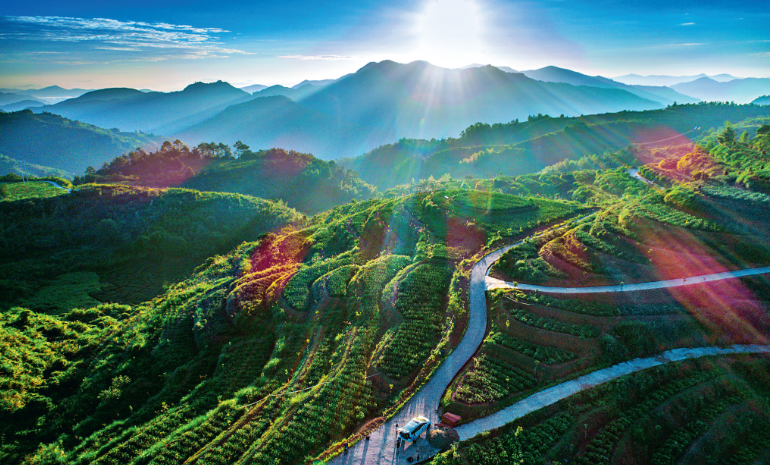
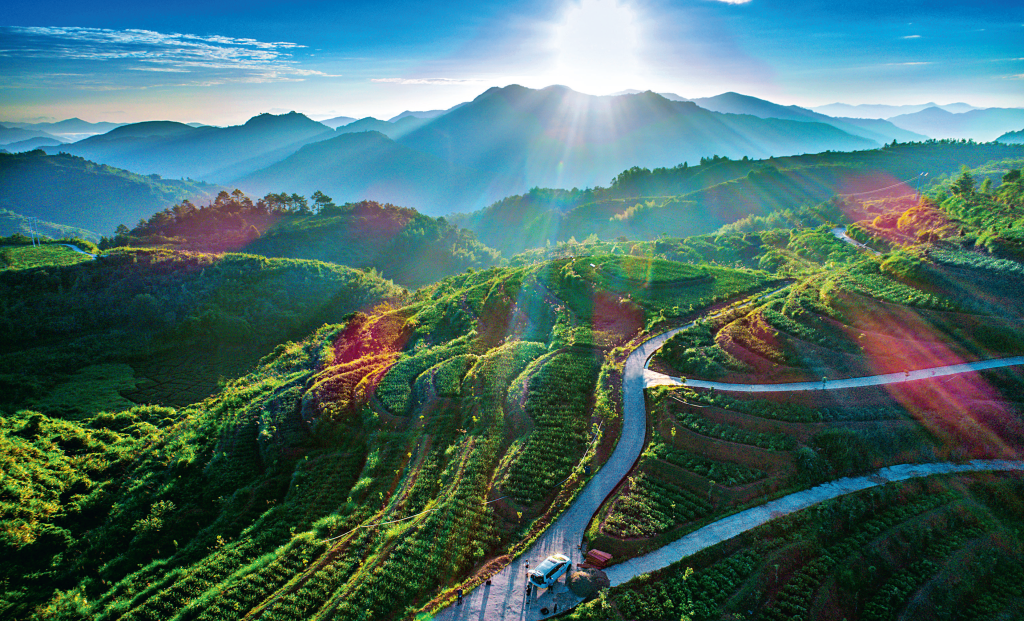
In Asia, several notable examples illustrate this approach. In China, the Hani rice terraces produce high-quality rice marketed under geographical indication schemes, simultaneously supporting conservation and farmers’ incomes. Likewise, traditional tea cultivation in Fujian’s heritage landscapes has gained added value through eco-tourism and adapted branding. In Japan, the Noto Peninsula has successfully linked its heritage fisheries and farming products to tourism and cultural promotion. These experiences demonstrate that community incomes can be strengthened through diversified activities while preserving the ecological and cultural values of GIAHS. They also show that, when effectively managed, agricultural heritage systems can provide environmental services while ensuring long-term economic viability for communities.
Looking Ahead
FAO’s strategic priority for GIAHS is to further consolidate their role as models of resilience in the face of climate change. GIAHS systems function as living laboratories where the preservation of tradition, biodiversity conservation, soil and water management, and community sources of income are addressed in an integrated and holistic manner.
Our goal is to continue refining tools and methodologies to more effectively capture and demonstrate the contribution of GIAHS to biodiversity conservation, food and livelihood security, and climate resilience. In doing so, we will also explore the potential of digitalization and artificial intelligence—identifying where these can drive innovation without undermining the core values, traditional knowledge, and practices that communities have nurtured and transmitted across generations.
Another priority is the establishment of a comprehensive monitoring and evaluation framework for GIAHS, with clear criteria, indicators, and practical guidelines for field-level application by GIAHS communities. This will enable systematic tracking and reporting of progress, timely identification of challenges, and corrective measures to safeguard the integrity and sustainability of GIAHS.
Equally important are the promotion of value addition and responsible branding of products from GIAHS systems. FAO will work with countries and communities to develop tools and guidelines that enhance market access while preserving the cultural DNA of GIAHS—its traditions, knowledge, and practices. This includes supporting communities in adding value to traditional products, connecting with responsible markets, and engaging youth to ensure the intergenerational transfer of knowledge.
Finally, FAO will continue to raise the visibility of GIAHS and foster international cooperation, building on the proven experience of countries with well-established agricultural heritage systems. This is how GIAHS can further evolve as a global platform for sharing knowledge, mobilizing resources, and promoting agricultural heritage as both a living asset and a model for sustainable development.
About the author
Dr Jeremie Mbairamadji is GIAHS Senior Coordinator at FAO Office of Climate Change, Biodiversity and Environment.